
No products in the cart.

What Is the Best Electric Breast Pump in the UK for New Mothers?
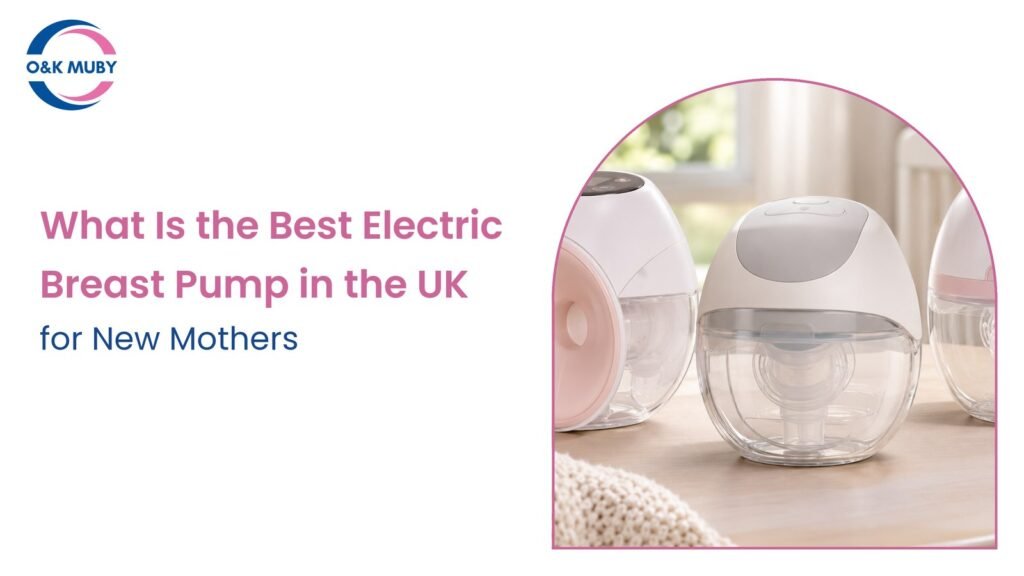
The best electric breast pump in the UK for most new mothers is a double electric model balancing reliable suction, adjustable settings, and genuine portability. The right choice depends on how often you plan to pump, where you will pump, and whether you need hands-free flexibility. For many parents, O&K MUBY offers a strong starting point because its range covers wearable electric breast pumps, traditional double pumping, and heated expression without forcing you into a single feeding style.
Before comparing specific models, it helps to understand what actually matters when choosing a pump, because the category is crowded and the differences are not always obvious from a product photo.
💙 Keep Pumping Simple with O&K MUBY
Thoughtfully designed wearable breast pumps to fit into your daily routine.
Shop O&K MUBY Breast PumpsWhat to Compare Before You Buy
Most electric pumps on the UK market share the same core mechanism: a motor creates vacuum, a breast shield sits against the skin, and a valve controls milk flow into a bottle or collection cup. What separates a genuinely useful pump from a frustrating one comes down to a few practical factors.
| Factor | Why It Matters | What to Look For |
|---|---|---|
| Pump type | Determines where and how you can pump | Wearable in-bra, traditional double, single, or manual |
| Suction adjustability | Every mother responds differently to vacuum strength | Multiple levels plus a stimulation phase |
| Flange fit | Poor fit reduces output and causes nipple pain | Correct flange size, ideally measured before birth |
| Portability | Affects whether you can pump on the go | Rechargeable battery, quiet motor, light cups |
| Cleaning | More parts means more daily work | Fewer components, dishwasher-safe where possible |
The flange size point is frequently overlooked. A shield that is too small or too large can compress milk ducts or fail to create a proper seal, which often gets mistaken for a weak pump. Measuring nipple diameter before buying is one of the few genuinely preventative steps a new mother can take.
Wearable vs Traditional Electric Pumps
Wearable electric breast pumps sit inside a nursing bra and run on a rechargeable battery. They have no tubes, no wires, and no need to sit near a plug socket. That freedom is useful for parents returning to work, caring for a toddler at the same time, or simply wanting to move around the house while pumping. The trade-off is that wearables tend to have smaller collection capacity and can be less powerful than a mains-connected double pump, so they may not suit someone planning exclusive pumping as their primary milk removal method.
Traditional double electric pumps, by contrast, usually offer stronger suction, larger bottles, and a more established track record in hospital and home settings. They are the safer default if you will pump several times a day and want maximum output per session. Some mothers combine both: a traditional pump at home and a hands-free wearable for the commute or school run.
If you are trying to decide between a hands-free option and a conventional one, the practical question is not which is better in general, but which fits the times and places you will actually pump.
Choosing a Pump That Matches Your Feeding Goals
Your feeding plan changes what you need. A mother building a small freezer stash for occasional bottle feeds has different requirements from someone returning to full-time work or someone exclusively pumping.
For occasional pumping, a single electric or even a manual pump may be enough. Manual pumps are quiet, cheap, and useful as a backup, but they are tiring for frequent use. For regular pumping, a double electric pump saves time because it expresses both sides at once and typically triggers let-down more efficiently.
For exclusive pumping, reliability and comfort become the top priorities. A pump that loses suction after a few weeks, or a breast shield that rubs, becomes unsustainable when you are using it eight or more times a day. In that situation, it is worth prioritising a model with easily replaceable parts and a proven motor over the smallest or quietest option.
Common Mistakes That Reduce Milk Output
The pump itself is only part of the equation. Several habits undermine results even with an excellent machine.
Using the wrong flange size is the most common issue. A poor fit can reduce output by a noticeable margin and cause soreness that makes pumping feel unsustainable. Re-measuring after the first few weeks is sensible because nipple size can change.
Skipping the stimulation phase is another frequent error. Most electric pumps have a faster, lighter rhythm designed to trigger let-down before switching to slower, deeper expression. Rushing straight to high suction is uncomfortable and usually less productive.
Not replacing worn parts also causes problems. Valves and membranes stretch over time, and a breast pump loses suction when those small components degrade. If a pump that once worked well suddenly feels weak, the valve is often the culprit before the motor.
Getting the Most From Your First Pumping Session
If you are about to use an electric breast pump for the first time, start with low suction and increase gradually. Expect only a small amount of milk initially, especially if you are pumping between feeds or are new to expressing. Warmth helps: a warm compress or a brief breast heating session before pumping can encourage let-down. Massage during pumping also improves drainage for many women.
Positioning matters more than most people expect. Leaning slightly forward helps milk flow toward the shield, and a well-fitted nursing bra holds an in bra breast pump securely without pressing too firmly against the breast tissue.
Keeping an Electric Pump Working Well
Regular care extends the life of any pump. Wash all parts that touch milk after every use, and check valves for tears or stretching weekly. If you want to keep electric breast pumps working for longer, avoid running the motor when the collection bottle is full, and store the pump in a clean, dry place rather than leaving it assembled with moisture trapped inside.
Milk storage is the other half of the routine. Knowing how long breast milk lasts in the fridge prevents waste: freshly expressed milk is generally safe for up to four days in a fridge at 4°C or below, and longer in a freezer, though NHS guidance recommends checking specific storage times for your situation.
Frequently Asked Questions
Which electric breast pump is best in the UK?
The best pump depends on your pumping frequency and lifestyle. A double electric pump suits regular use, while a wearable model suits parents who need to pump on the go. Fit and comfort matter more than brand recognition.
Are wearable breast pumps as effective as traditional ones?
They can be, but not always. Wearable pumps are convenient and work well for many mothers, yet some find a traditional double pump removes milk more thoroughly. If output is a concern, a hospital-grade or mains-powered pump is the safer choice.
When should I buy a breast pump during pregnancy?
Most parents buy a pump in the third trimester, after checking flange size and thinking through their feeding goals. Buying too early can mean the warranty runs out before the baby arrives.
Can I use a second-hand breast pump?
Open-system pumps are not recommended second-hand because milk can enter the motor. Closed-system pumps are safer if you replace all parts that touch milk, but check the manufacturer guidance first.
How often should I replace breast pump parts?
Valves and membranes typically need replacing every few months with regular use. If a breast pump breast shield becomes scratched or discoloured, replace it too, as this can affect comfort and hygiene.
💙 Keep Pumping Simple with O&K MUBY
Thoughtfully designed wearable breast pumps to fit into your daily routine.
Shop O&K MUBY Breast Pumps