
No products in the cart.

Can Breast Heating Make Pumping More Comfortable and Effective?
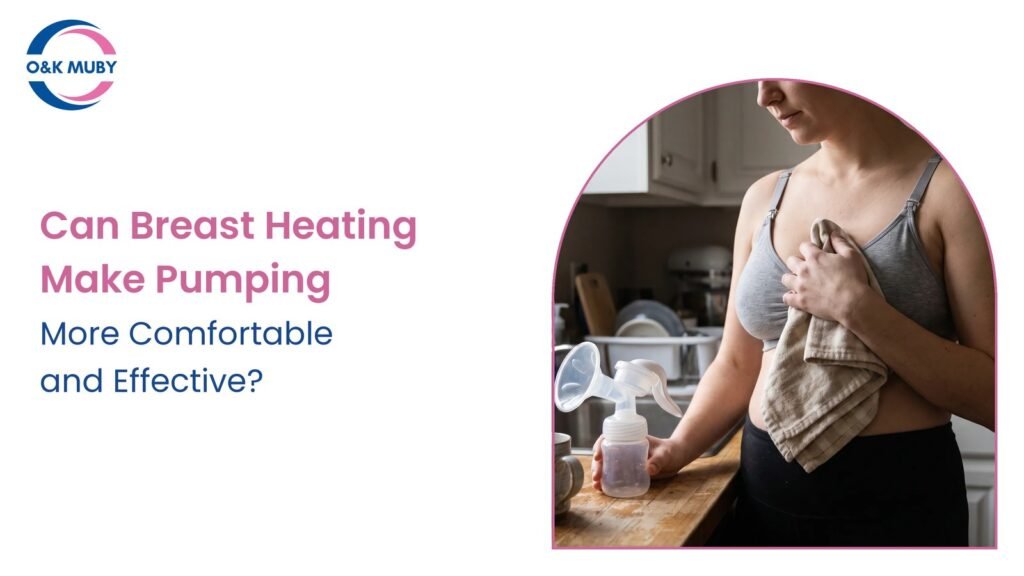
Breast heating can be a simple way to make pumping feel more comfortable, especially if your milk takes a little while to start flowing or you feel tense before a session. Gentle warmth is not a magic fix for supply and it should never feel hot, but used carefully it can support relaxation, encourage let-down and make expressing feel less clinical.
If you are pumping in real life, around feeds, work, night wakes and everything else, small comfort changes matter. Warmth can be part of that, whether you use a warm flannel before pumping or a wearable pump with a controlled warming feature.
💙 Keep Pumping Simple with O&K MUBY
Thoughtfully designed wearable breast pumps to fit into your daily routine.
Shop O&K MUBY Breast PumpsHow breast heating can help during pumping
In simple terms, breast heating means applying gentle warmth to the breast before or during expressing. The goal is comfort, not intense heat. Think warm bath temperature rather than a hot water bottle pressed hard against the skin.
The reason warmth may help is partly physical and partly emotional. When your body feels cold, rushed or stressed, it can be harder to relax into a pumping session. Warmth can soften that transition and make the first few minutes feel easier.
Warmth, let-down and comfort
Milk release is linked to the let-down reflex, which is influenced by oxytocin. This reflex can respond to your baby, skin-to-skin contact, calming routines, familiar smells, gentle massage and comfort. Warmth is not the only trigger, but it can form part of a routine that tells your body it is time to express.
The NHS guidance on breast pain and breastfeeding includes using a warm flannel before feeding or expressing as one self-care measure for some breastfeeding discomfort. That does not mean heat is suitable for every situation, but it explains why many mums naturally reach for warmth when their breasts feel full or milk flow feels slow.
What warmth cannot do
When used thoughtfully, breast heating is a comfort aid. It does not diagnose or treat low supply, mastitis, nipple damage, poor latch or an incorrectly fitted flange. If pumping hurts, your breasts feel hot and inflamed or you feel feverish, warmth is not the answer on its own.
It is also worth keeping expectations realistic. Some people notice milk starts flowing faster with warmth. Others simply find pumping more pleasant. Both outcomes are useful, but neither should replace good pump fit, sensible suction settings and regular milk removal.
Benefits of breast heating for pumping
For many people, breast heating is mainly a comfort tool, but comfort can change how a session goes. If you feel calmer and less guarded, you may find it easier to sit through the full session rather than stopping early because the first few minutes feel awkward or uncomfortable.
The most common benefits are practical rather than dramatic:
- It can make the start of a pumping session feel gentler, especially when breasts are full.
- It may help support let-down when paired with a relaxed routine.
- It can reduce the need to hold a separate warm compress if your pump has a built-in warming feature.
- It may make wearable pumping feel more soothing during colder months or early morning sessions.
- It can help some mums feel less tense around expressing, particularly during the early learning phase.
Warmth tends to work best when the basics are already in place. A comfortable flange fit matters because too much friction or nipple compression can undermine any benefit warmth gives. If you are unsure whether your current fit is right, this guide to measuring breast pump flange size at home is a useful starting point.
Heat is not a substitute for suction control
A common mistake is trying to solve slow milk flow by increasing suction to the highest setting. Stronger suction is not always better. If it causes pain, swelling or nipple blanching, it can make pumping harder.
A better approach is to start with a gentle stimulation mode if your pump has one, wait for let-down, then increase gradually only to a comfortable level. Warmth can sit alongside that approach, but it should not be used to tolerate suction that already feels too strong.
Safety first: how warm is safe?
The safest approach to breast heating is simple: warm, never hot. Breast and nipple skin can be sensitive, especially during the early postpartum weeks. Heat that feels fine on your hand may feel too intense on breast tissue after a few minutes.
If you are using a warm compress, test it against the inside of your wrist first. It should feel comfortably warm and should not leave redness, stinging or a burning sensation. Avoid boiling water, microwaved gel packs without careful temperature checks or anything that traps heat for too long.
Using heated pump features safely
If your pump has a heated comfort mode, follow the manufacturer’s instructions rather than improvising. A controlled device is different from placing an uncontrolled heat source against the skin, because the warming function should be designed with limits.
For example, the MUBY THERMO hands-free double electric breast pump includes a warming function up to 40°C, along with multiple pumping modes, a rechargeable battery and hands-free design. As with any heated pump, the key is to use the feature as intended and stop if warmth ever becomes uncomfortable.
When to be extra cautious
Avoid using heat, or get medical advice first, if you have reduced skin sensation, active burns, significant nipple trauma, unexplained breast pain or signs of infection. Symptoms such as fever, flu-like aches, a red painful area on the breast or worsening swelling should be discussed with a midwife, health visitor, GP or lactation professional.
Breast heating should also be gentle if you are prone to engorgement. Warmth before pumping may help milk start flowing, but prolonged heat can sometimes make swelling feel worse. If your breasts feel very inflamed, you may need a different plan, including short effective milk removal and professional support.
| Method | Best for | Safety notes |
|---|---|---|
| Warm flannel before pumping | A low-cost pre-pump routine | Re-warm as needed, but keep it comfortably warm rather than hot |
| Warm shower before expressing | Relaxation and general comfort | Avoid very hot water and long exposure if breasts are swollen |
| Wearable pump with warming mode | Hands-free sessions where you do not want to hold a compress | Follow the device instructions and stop if heat feels uncomfortable |
| Gentle breast massage with warmth | Encouraging comfort before let-down | Use light pressure only and avoid deep painful massage |

Simple tips for using warmth before or during pumping
The most effective breast heating routine is usually the one you can repeat without adding stress. If warming takes too long, creates extra washing or makes you late for feeds and appointments, it will be harder to keep up.
Start small. Try warmth for one session a day, perhaps the session where your milk usually takes longest to flow. Notice whether you feel more comfortable, whether let-down seems easier and whether your skin feels normal afterwards.
A gentle warm-up routine
Use this as a simple template and adapt it to your own pump, body and schedule:
- Prepare your pump parts first: Wash your hands, check that your pump parts are clean and make sure your milk container is properly attached.
- Apply gentle warmth for a few minutes: Use a warm flannel or your pump’s warming mode if available, keeping the sensation pleasant and mild.
- Begin with low suction: Start gently, especially if you are full, tender or pumping soon after birth.
- Wait for let-down before increasing suction: Move up slowly only if the higher level remains comfortable.
- Watch your skin and nipple shape: Stop and reassess if you notice pain, rubbing, pinching, blanching or unusual redness.
- Keep the routine realistic: If warmth helps, build it into the sessions where it makes the biggest difference rather than forcing it every time.
If you are still finding your rhythm with expressing, pairing warmth with a predictable schedule can help. O&K MUBY’s guide to building a pumping routine that works for your life covers different goals, including mix-feeding, returning to work and building a freezer stash.
Make warmth part of a calming cue
Pumping can feel mechanical, particularly with a new baby nearby or a full to-do list waiting. A short cue can make the transition easier. That might be a warm drink, a few slow breaths, a photo of your baby, a warm flannel or a quiet corner where you are less likely to be interrupted.
Breast heating works best when it is part of this wider comfort routine. Warmth alone may help, but warmth plus correct fit, a steady routine and comfortable suction is more likely to give you a good pumping experience.
Common mistakes to avoid
The biggest mistake is assuming hotter means better. It does not. Too much heat can irritate skin, increase discomfort and make you less likely to continue pumping comfortably.
Another common mistake is using warmth to push through pain. Pumping should not feel like something you have to endure. Mild tugging can be normal, but sharp pain, nipple damage, bruising or lasting soreness are signs that something needs adjusting.
Do not combine heat with aggressive massage
Deep breast massage is not recommended when breasts are painful or inflamed. It can worsen tissue irritation. If you massage, keep the pressure light and comfortable, using broad gentle movements rather than digging into sore areas.
If you are dealing with lumps, blocked duct symptoms or recurrent engorgement, consider getting breastfeeding support. The solution may involve feeding position, pumping frequency, flange fit, oversupply management or medical care rather than more heat.
Do not forget hygiene
Warmth does not change the need for clean pump parts and safe milk handling. Wash hands before expressing, clean parts according to the pump instructions and store expressed milk promptly.
If you use a reusable warm compress, keep it clean and dry between uses. A damp cloth left sitting around can become unpleasant quickly, so use a fresh flannel when needed.
Choosing a pump if warmth matters to you
If you already know warmth helps your let-down or comfort, a heated pump may be worth considering. The main advantage is convenience. You do not have to hold a flannel in place, reheat a compress or choose between warmth and hands-free movement.
When comparing pumps, look beyond the warming feature. Check the flange insert options, suction modes, battery life, motor noise, cleaning requirements and whether the pump is certified for the UK market. A warming mode is helpful only if the rest of the pump also suits your body and routine.
For modern wearable pumping, comfort features can make a practical difference. A quiet motor may help you relax, a good fit can reduce friction and an auto shut-off can add reassurance during busy days. Those details matter because pumping is rarely done in perfect conditions.
A calmer way to pump
Breast heating is not about making pumping complicated. It is about adding gentle comfort where it helps, staying within safe limits and listening to your body.
If warmth makes your sessions easier, consider pairing it with a well-fitted wearable pump, steady routine and sensible suction settings. O&K MUBY offers hands-free electric breast pumps designed for modern mums, including quiet wearable models and a heated comfort option for those who want warmth built into their pumping setup.
Frequently Asked Questions
Is breast heating safe while pumping?
Yes, when it is gentle and controlled. It should feel comfortably warm, never hot, and you should stop if you notice pain, redness, burning or irritation.
Can warmth increase my milk supply?
Warmth does not directly create more milk. It may help some people relax and let down more easily, which can support more effective milk removal. Long-term supply is mainly influenced by regular, effective milk removal and individual circumstances.
How long should I use warmth before pumping?
Many people start with a few minutes before expressing. If your pump has a warming mode, follow the device instructions rather than extending the time yourself.
Should I use heat for engorgement or blocked ducts?
Gentle warmth before feeding or expressing may help some people with milk flow, but painful swelling, redness, fever or flu-like symptoms need professional advice. Do not use prolonged heat or deep massage on inflamed tissue.
Can I use a heated wearable pump every day?
You can use a heated wearable pump regularly if it is comfortable, used according to the instructions and your skin remains healthy. If you develop soreness or irritation, pause the heat setting and reassess fit, suction and session length.
💙 Keep Pumping Simple with O&K MUBY
Thoughtfully designed wearable breast pumps to fit into your daily routine.
Shop O&K MUBY Breast Pumps