
No products in the cart.

How an In Bra Breast Pump Can Make Pumping More Flexible
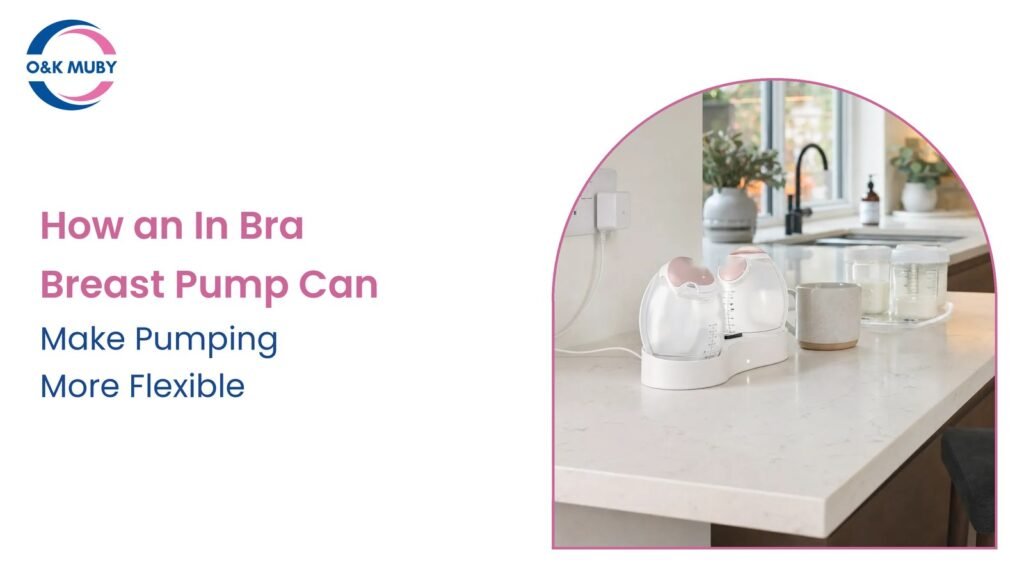
Pumping often feels easiest in theory and hardest in real life. An in bra breast pump is designed to sit inside your nursing bra so you can express milk with less set-up, fewer cables and more freedom to move through the parts of your day that cannot simply pause.
That flexibility matters because feeding routines rarely stay neat. A baby may cluster feed, nap at odd times, wake just as you planned to pump or need care while you are trying to protect your milk supply. The NHS notes that expressing breast milk can help when you are away from your baby, sharing feeds or managing a return to work. The right pump will not make every session effortless, but it can remove a lot of friction.
💙 Keep Pumping Simple with O&K MUBY
Thoughtfully designed wearable breast pumps to fit into your daily routine.
Shop O&K MUBY Breast PumpsWhat changes when the pump sits inside your bra?
Traditional electric pumps usually need bottles, tubing, a fixed power point or a surface to place the motor. For many mums, an in bra breast pump changes the basic posture of pumping: instead of sitting still and holding flanges in place, you can wear the pump inside a supportive bra and keep your hands available.
This is not only about multitasking. It is about reducing the number of steps between knowing you need to pump and actually starting a session. If pumping depends on finding a private room, changing clothes, assembling several parts and staying seated, it becomes easier to delay. Delays can lead to discomfort, missed sessions or a routine that feels impossible to maintain.
A wearable pump can make expressing feel more like something that fits into daily life rather than something that interrupts it. You might still prefer a quiet spot, especially during let-down, but the set-up is usually more discreet and compact.
Flexible does not mean invisible
A wearable pump is discreet, not magic. Your bra fit, cup size, clothing, pump shape and milk flow all affect how natural it feels. Some mums can pump while answering emails or folding laundry. Others prefer to use the pump seated because movement affects suction or comfort.
The aim is not to do everything while pumping. The aim is to have more choices.
Flexibility at home, at work and during busy days
At home, pumping flexibility often comes down to timing. You might have a small window after a feed, during a nap or while someone else is holding the baby. That is where an in bra breast pump can be especially useful because it shortens the transition from “I should pump” to “I am pumping now”.
You can also use short, predictable moments more effectively. For example, some mums pump while preparing breakfast, packing a changing bag or tidying the kitchen. Others use a wearable pump to keep their hands free for an older child. These are not glamorous moments, but they are often the difference between keeping and missing a session.
Returning to work with fewer barriers
Workplace pumping is one of the biggest reasons parents look for wearable options. A smaller, quieter pump can make it easier to fit expressing around meetings, commuting and limited break times. You will still need appropriate storage, cleaning planning and a private space that feels comfortable.
If you are planning a return to work, O&K MUBY has a dedicated guide on making hands-free pumping work in the workplace with practical tips for scheduling sessions, storing milk and protecting your breaks.
Out and about without carrying too much
A more compact set-up can also help when you are visiting family, travelling within the UK or spending a few hours away from home. Instead of packing a larger pump bag, you may only need the pump cups, charging cable if required, spare containers, breast milk storage bags and cleaning items.
It is still worth planning ahead. Check battery level before leaving, know where you can wash your hands, bring a clean storage option and have a back-up plan if a session needs to be delayed.
Comfort and output still depend on fit
A comfortable in bra breast pump still depends on the same fundamentals as any other breast pump: correct flange sizing, sensible suction settings and a routine your body can respond to. Wearable design helps with convenience, but it cannot compensate for a flange that rubs, pinches or pulls in too much areola.
Many first-time pump users assume stronger suction means more milk. In practice, excessive suction can cause nipple pain and may make let-down harder. A good starting point is to use the lowest comfortable setting, then increase gradually only if it feels effective without pain.
Flange size is also worth checking before you judge any pump. Your nipple size can change during pregnancy, postpartum recovery and different stages of breastfeeding. If you are unsure, this guide to measuring breast pump flange size at home explains how to measure and recognise signs of a poor fit.
| Flexibility factor | Why it matters | What to check |
|---|---|---|
| Bra support | Keeps the pump sealed and stable | A snug nursing or pumping bra without painful compression |
| Flange fit | Affects comfort, seal and milk removal | Nipple measurement and compatible inserts |
| Noise level | Helps with discreet pumping | Quiet motor design and realistic expectations |
| Battery life | Supports sessions away from a plug socket | Charge level before leaving home |
| Cleaning routine | Keeps pumping practical and hygienic | Number of parts, drying time and storage method |
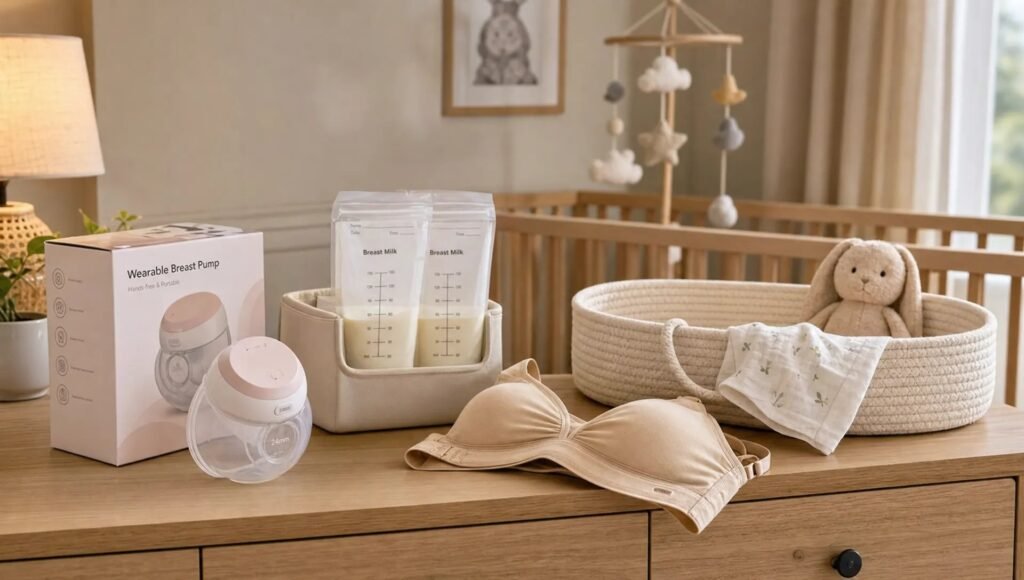
How to choose an in bra breast pump for real-life flexibility
The best pump is the one you will actually use consistently. A feature list matters, but your daily routine matters more. If you mostly pump at home, comfort and easy cleaning may be the priority. If you commute or work away from home, battery performance, quiet operation and leak resistance may matter more.
Look for a wearable pump that is made from safe materials and has clear product certification. O&K MUBY pumps are UKCA certified, made with BPA-free materials and designed for hands-free use, with quiet motor technology across the range. The collection also includes different models, so you can choose according to comfort, pumping modes, battery needs and whether warming support is important to you.
Some mums find warmth helpful because it can encourage relaxation during let-down. O&K MUBY’s MUBY THERMO hands-free double electric breast pump includes a heated comfort function, which may suit parents who respond well to warmth or often feel tense at the start of a session.
Match the pump to your main pumping goal
Your goal affects the kind of flexibility you need. A parent pumping once a day so a partner can offer a bottle has different needs from someone exclusively pumping or building a freezer stash. Before buying, write down when and where you expect to pump most often.
If you want help shaping those sessions into a realistic rhythm, this guide to building a pumping routine that works for your life can help you think through timing, goals and adjustment periods.
Common mistakes that make wearable pumping feel less flexible
An in bra breast pump can help you express around real life, but a few common habits can make it feel more frustrating than it needs to be. The biggest is treating wearable pumping as completely passive. You may still need to pause at the start, position the nipple carefully, check the seal and make sure the pump is seated securely in your bra.
Another mistake is waiting until you are already engorged. Pumping when very full can be uncomfortable and may make positioning harder. If you know you will be away from your baby or in meetings, it often helps to plan a session before you become painfully full.
Cleaning and storage can also trip people up. A flexible pump still needs a clean routine for parts that touch milk. After expressing, transfer milk to a suitable container, label it if needed and store it safely according to current NHS guidance or your health visitor’s advice.
Finally, do not judge your supply by one session. Output changes with time of day, stress, hydration, how recently your baby fed and how relaxed you feel. Flexibility is helpful because it gives you more chances to pump consistently, not because every session will produce the same amount.
A more realistic way to think about pumping freedom
The promise of wearable pumping is not that you will forget you are pumping. It is that pumping can become less disruptive. You may be able to move from the sofa to the kitchen, answer a message, pack a bag or sit comfortably without holding bottles in place.
A well-fitting in bra breast pump can also give you more control over privacy. Some parents prefer to pump under looser clothing. Others simply like not having tubing across their body or a pump motor on the table. These small changes can make expressing feel less clinical and more manageable.
Flexibility also supports consistency. When pumping feels easier to start, you are more likely to keep to a routine that protects your comfort and feeding goals. For many mums, that consistency is the real benefit.
Make pumping fit more naturally into your day
If pumping currently feels like something you have to stop your whole day for, a wearable option may give you more room to breathe. O&K MUBY offers hands-free electric breast pumps designed for modern routines, with quiet operation, BPA-free materials, UKCA certification and a one-year warranty.
Explore the O&K MUBY range to find a pump that fits your feeding goals, comfort needs and everyday schedule.
Frequently Asked Questions
Can an in bra breast pump replace a traditional plug-in pump?
It can for some parents, but not everyone. Wearable pumps are ideal for flexibility and convenience, while some mums still prefer a traditional pump for certain sessions. Your supply, comfort, flange fit and pumping goals all matter.
Will a wearable pump be completely silent?
No pump is completely silent. Quiet motor technology can make pumping more discreet, but you should still expect some sound from the motor and milk collection system.
Can I wear any bra with a wearable breast pump?
A supportive nursing or pumping bra usually works best. The bra should hold the pump securely against the breast without pressing so tightly that it causes discomfort or affects milk flow.
Is hands-free pumping safe while moving around?
Light movement is usually the most realistic option. Bending, rushing or lifting can affect the seal and may increase the risk of leaks. Start seated, then test gentle movement once the pump feels secure.
How do I know if wearable pumping is working for me?
Look at comfort, nipple condition, milk removal, leaks and how easy it is to keep a routine. If pumping hurts, output suddenly drops or your nipples look compressed after sessions, check sizing and settings.
💙 Keep Pumping Simple with O&K MUBY
Thoughtfully designed wearable breast pumps to fit into your daily routine.
Shop O&K MUBY Breast Pumps