
No products in the cart.

Is a Silicone Hands Free Breast Pump Right for You?
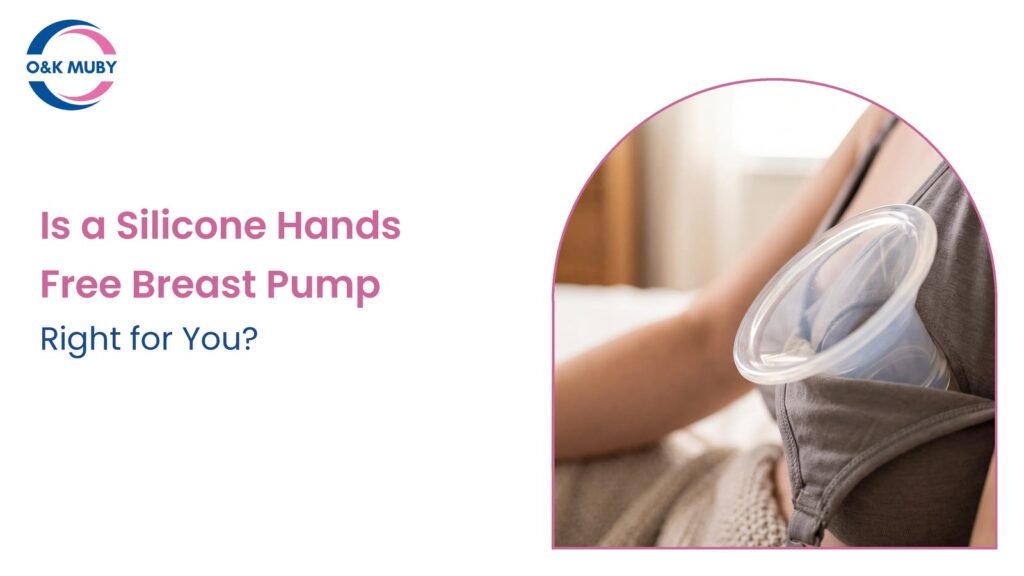
A silicone hands free breast pump may appeal if you want softer contact against your skin and more freedom while expressing. But the label can describe quite different products, from a simple suction collector to an electric wearable pump with silicone breast shields. They do not all remove milk in the same way or suit the same feeding routine.
The useful question is not simply whether silicone is better than plastic. It is whether the pump fits comfortably, removes milk effectively for you and is manageable to clean. Understanding what the silicone component actually does will help you choose without paying for features that do not solve your particular problem.
💙 Keep Pumping Simple with O&K MUBY
Thoughtfully designed wearable breast pumps to fit into your daily routine.
Shop O&K MUBY Breast PumpsFirst, check which type of pump you are looking at
Product descriptions sometimes blur the difference between collecting milk and actively pumping it. Before comparing comfort claims, establish how the device works.
| Product type | How it works | What to check |
|---|---|---|
| Silicone suction pump or collector | Usually attaches through a manually created vacuum, without a powered motor | Whether it suits occasional collection and how securely it stays attached |
| Passive milk collection shell | Catches milk that leaks, without active suction | Positioning, capacity and instructions for using the collected milk |
| Wearable electric breast pump | Uses a powered motor to cycle suction, with collection cups held inside a suitable bra | Breast shield fit, suction controls, support and cleaning requirements |
A silicone suction collector is not automatically equivalent to an electric pump just because both leave your hands free. Likewise, an electric wearable may contain silicone contact parts while its collection cup and housing use other materials.
For regular expressing sessions, look beyond the product name to the mechanism and intended use. For catching leakage during a feed, a simpler collector may be enough.
Could a silicone hands free breast pump improve comfort?
Silicone can provide a flexible contact surface, which some mums prefer to a rigid breast shield. Depending on the design, it may conform around the breast or form part of the seal. That can change how a cup feels, but it cannot compensate for unsuitable sizing or excessive suction.
The part touching the breast also matters. A soft outer cushion is different from the tunnel around the nipple, and silicone valves inside a pump do not necessarily mean that its breast shield is soft. Check the component description rather than assuming the entire device is silicone.
For example, MUBY PRO’s silicone 3D cup is a specific design feature to examine if the contact surface is a priority. It is still worth checking the sizing guidance and how the cup will sit in your bra rather than choosing on material alone.
Softness and comfortable milk removal are separate considerations. Stronger suction is not necessarily more effective, and a pump should not hurt throughout a session. Pinching, rubbing or persistent discomfort calls for a fit and settings check, not simply more time to get used to it.
A silicone hands free breast pump is worth considering for its contact design, but no material guarantees pain-free expressing or a particular milk yield.
Fit matters more than the material label
Check the nipple tunnel, not just the outer cup
The breast shield or flange is the part that sits against your breast and guides the nipple into a tunnel. A comfortable outer edge does not tell you whether that tunnel is the right size.
Use the manufacturer’s measurement instructions and check which inserts or sizes are compatible with that exact model. Your two breasts may need different sizes, and fit can change over time. Avoid choosing solely from a broad description such as “universal fit”.
During use, the nipple should be centred rather than rubbing repeatedly against one side. Pain, blanching, swelling or substantial amounts of breast tissue being pulled into the tunnel are reasons to reassess the setup. These signs alone do not identify the correct size, so ask an infant feeding specialist if adjustments do not help.
Check how your bra holds the cup
A wearable needs enough support to stay in place without being pressed hard into the breast. An overly tight bra can alter the cup’s position or compress tissue; a loose one can allow movement and loss of alignment.
When trying a silicone hands free breast pump, check comfort while sitting and standing, then reassess after a few minutes of suction. Follow the manufacturer’s positioning instructions and stop if expressing becomes painful.
Match the pump to the job you need it to do
Occasional collection or expressing
If you mainly want to collect milk while feeding from the other breast, a simple silicone suction collector may suit your needs. Remember that a suction collector is different from a passive shell: it applies vacuum rather than only catching leakage.
An electric wearable may make more sense if you want a controlled expressing session without holding breast shields in place. However, the extra convenience comes with charging, assembly and more components to maintain.
Regular sessions or expressing most feeds
If you express frequently, judge the pump by repeatable comfort and effective milk removal rather than how discreet it looks. Consider whether you can position it reliably, adjust the settings easily and clean everything between sessions.
When expressing is your main way of feeding, or you are concerned about supply or your baby’s intake, get support from your midwife or infant feeding team. A convenient wearable is not automatically the right sole pump for every situation.
A silicone hands free breast pump is a stronger match when its everyday convenience supports your feeding plan without compromising comfort or milk removal.
What “hands-free” allows in practice
Hands-free means you do not need to hold the cups continuously. It does not mean every movement is suitable. Bending deeply, lying down or vigorous activity may move the cups or cause leakage, depending on the design.
Start with light, upright activities and follow the product’s movement guidance. Even a quiet motor is not necessarily silent or unnoticeable under clothing.

Consider cleaning before you buy
A softer cup is only useful if the daily cleaning routine is realistic. Silicone components can include shields, valves, membranes and seals, each with its own assembly and care requirements.
The NHS guidance on expressing breast milk advises making sure the pump and container are clean and sterilised before use. Follow the pump manufacturer’s instructions for dismantling, washing and sterilising the relevant parts. Do not immerse motors, controllers or electrical connections.
Before choosing a silicone hands free breast pump, find out how many milk-contact parts require cleaning and which sterilisation methods the manufacturer permits. Do not assume every silicone part can be boiled, microwaved or put in a dishwasher.
Allow components to dry as instructed and inspect them when reassembling. Tears, distortion or incorrectly seated valves can affect the seal and suction. Replacement intervals vary, so use the manufacturer’s guidance rather than a generic schedule.
Also check whether compatible replacement parts are available. A low purchase price can become less attractive if a worn valve or damaged shield is difficult to replace. BPA-free materials and certification are useful product information, but neither tells you whether cleaning will be straightforward or the fit will suit you.
A practical checklist for deciding
The best choice should answer a specific need. If your current pump hurts, investigate the fit and suction settings first. If holding bottles is the main problem, wearability may matter more than whether the cup is silicone.
Before buying, confirm these points:
- Purpose: You know whether you need leakage collection, occasional expressing or a pump for frequent sessions.
- Contact surface: The description identifies which parts are silicone, rather than using the material name loosely.
- Fit options: Suitable sizes or compatible inserts are available, with clear measurement guidance.
- Daily upkeep: You can manage the cleaning, drying and charging requirements around your routine.
- Ownership details: You have checked replacement parts, warranty terms and the returns policy, including restrictions after opening or use.
O&K MUBY offers three hands-free electric models, so there is no need to treat every wearable as the same product. Its comparison of MUBY PRO, FLOW and THERMO explains their different approaches to fit, portability and heated comfort. Those differences are more useful to weigh than a general promise that one material is best.
A silicone hands free breast pump may belong on your shortlist if its specific contact design appeals to you and the practical checks stack up. If you cannot establish the fit options or cleaning requirements, ask for that information before purchasing.
Choose for your routine, not just the label
Silicone can be a useful comfort feature, but the right pump must also fit, function well for you and be manageable to maintain. Explore O&K MUBY’s wearable electric breast pumps with those priorities in mind, then check the individual model’s sizing and care instructions before deciding.
Frequently asked questions
Is silicone always more comfortable than a rigid breast shield?
No. Some mums prefer its flexibility, but comfort also depends on tunnel size, nipple alignment, suction and how the cup is supported. A well-fitting rigid shield may feel better than an unsuitable silicone one.
Can a silicone suction collector replace an electric pump?
It depends on your purpose. It may suit collection during feeds, but it does not offer the same powered suction cycles as an electric pump. If you need regular milk removal, assess whether it meets that need rather than assuming the two are interchangeable.
Will a silicone hands free breast pump increase my milk supply?
Not simply because it contains silicone or is wearable. Milk production is influenced by effective, regular milk removal and your individual circumstances. If you are worried about supply, seek feeding support rather than relying on a material or product feature.
What if a wearable pump hurts or collects less milk than expected?
Stop if it hurts, then check alignment, sizing, settings and assembly against the instructions. A single session’s output is not a reliable measure of total milk supply. Persistent pain, nipple damage or concerns about your baby’s intake should be discussed with your midwife, health visitor or infant feeding specialist.
💙 Keep Pumping Simple with O&K MUBY
Thoughtfully designed wearable breast pumps to fit into your daily routine.
Shop O&K MUBY Breast Pumps